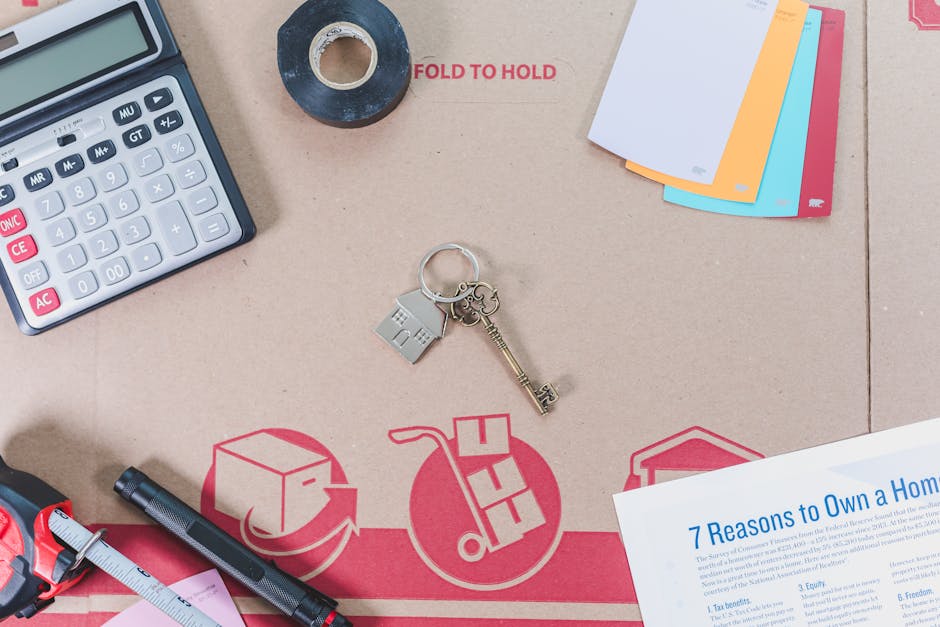
DIY move vs hiring pros: when to save and when to pay for removals
Moving house has a way of turning sensible people into spreadsheet enthusiasts overnight. One minute you're thinking, "I'll just borrow a van and do it myself," and the next you're staring at a stack of boxes, a sofa that definitely looked smaller in the shop, and a tight completion day. The question of DIY move vs hiring pros: when to save and when to pay for removals is really about matching the move to your time, budget, risk tolerance, and sanity. And yes, sanity does count.
This guide breaks down where DIY moving makes sense, where professional removals are worth every penny, and how to decide without second-guessing yourself later. Whether you're shifting a studio flat across town or juggling a full family move with awkward furniture and a narrow staircase, the right choice is usually clearer than it first appears.
In practice, the best decision is rarely "always DIY" or "always hire." It depends on what you're moving, how far, who's available to help, and how much damage, stress, or delay you can realistically handle.
Table of Contents
- Why DIY move vs hiring pros matters
- How the two approaches work
- Key benefits and practical advantages
- Who this is for and when it makes sense
- Step-by-step guidance
- Expert tips for better results
- Common mistakes to avoid
- Tools, resources and recommendations
- Law, compliance, standards and best practice
- Options and comparison table
- Case study or real-world example
- Practical checklist
- Conclusion
- Frequently asked questions
Why DIY move vs hiring pros: when to save and when to pay for removals Matters
On paper, DIY moving looks cheaper. You rent a van, rope in a couple of friends, buy some tape, and off you go. But that headline saving can disappear fast once you include fuel, insurance, boxes, parking, lost time, the inevitable second trip, and the sore back that arrives around 9pm. To be fair, that's the bit people forget when they're comparing quotes in a hurry.
The real question is not simply "What costs less today?" It's "What is the full cost if something goes wrong?" A chipped worktop, a broken TV, a missed handover window, or a stairwell mishap can wipe out the saving from a DIY move in one afternoon. That's why this decision matters so much. It's a financial choice, yes, but also a logistics decision and, often, a stress decision.
For smaller, straightforward moves, DIY can be a smart budget move. For anything involving bulky furniture, a long distance, fragile belongings, tight access, or a hard deadline, professional removals often give better value than they first appear. You're not just paying for lifting. You're paying for planning, speed, equipment, experience, and a much calmer moving day.
If you're already comparing moving help, pages such as removals, home moves, and man and van can help you understand the range of options before you commit.
Expert summary: DIY usually saves money when the move is small, local, and low-risk. Paying pros makes more sense when time, access, heavy items, or damage risk are likely to eat into the savings.
How DIY move vs hiring pros: when to save and when to pay for removals Works
A DIY move is exactly what it sounds like: you organise the van, packing, loading, transport, unloading, and any problem-solving on the day. That means you're the planner, porter, driver, and moving coordinator all in one. Fun, in theory.
Hiring removals professionals changes the job entirely. A removals company typically handles some combination of packing, lifting, loading, transport, and unloading. Depending on the service, they may also offer packing materials, dismantling and reassembly, and advice about access or parking. If you want the basics spelled out in one place, see removal services and packing and unpacking services.
The decision often comes down to three moving parts: volume, complexity, and time. Volume means how much stuff you have. Complexity means stairs, parking, fragile items, or awkward furniture. Time means whether you can afford a full day or whether you need the job done cleanly in a narrow window.
Here's the practical version. A DIY move works best when:
- you have a small amount of furniture and boxes
- the move is local
- you have help from reliable people
- access is easy at both properties
- you can be flexible if things run late
Hiring pros usually works better when:
- you have bulky, heavy, or valuable items
- you're moving from or into a flat with stairs or limited parking
- you're on a tight completion or tenancy deadline
- you need packing support or careful handling
- you'd rather reduce stress than manage every task yourself
There's also a middle ground. A service like man with van or man and van removals can bridge the gap between full DIY and a full-service move. That's often the sweet spot for people who need muscle and transport, but not a full crew.
Key Benefits and Practical Advantages
DIY moving's biggest attraction is obvious: lower upfront cost. If you already have access to boxes, friends, and a decent van, you can often keep the bill lean. That matters, especially if you're moving on a budget or putting most of your money into the deposit, solicitor fees, or setting up the new place.
But the benefits are not just financial. DIY can give you more control. You decide the pace, the packing order, and what goes where. Some people genuinely prefer that. It can feel satisfying, even a bit heroic, getting everything done on your own terms. Until the wardrobe won't fit through the landing. Then, less heroic.
Professional removals bring a different set of advantages:
- Less physical strain: fewer risks of injury or overexertion
- Faster loading and unloading: experienced teams tend to work efficiently
- Better handling: useful for antiques, glass, electronics, and awkward items
- Reduced stress: especially on move day when everything feels urgent
- Useful insurance and process: professional operators often have clearer procedures for claims and safety
For business moves, the value of pros is even more obvious. Offices need timing, planning, and minimal disruption. If that's your situation, take a look at commercial moves and office relocation services for a better sense of what organised support looks like.
There's another advantage people often overlook: decision fatigue. On moving day, the small choices pile up. What goes in first? Where are the keys? Which box has the kettle? Having professionals take charge of the heavy lifting leaves you free to manage the details that only you can answer. That alone can be worth it.
Who This Is For and When It Makes Sense
DIY moving makes the most sense for people with a small, simple move and enough help. Think first-time renters moving out of a studio, students moving locally, or someone shifting a few items into storage. If the route is short and the access is simple, DIY can be perfectly sensible.
It also suits people who are comfortable planning every detail. If you don't mind hiring the van, collecting packing supplies, labelling boxes, and doing two or three trips if needed, DIY might be your style. Some readers will nod at that. Others will feel tired just reading it.
Hiring pros makes more sense when:
- you're moving a whole household
- you've got children, pets, or elderly relatives to think about
- you own heavy furniture or fragile items
- your building has stairs, lift restrictions, or awkward access
- you need the move completed quickly and cleanly
- you're moving during a busy period, such as month-end or a bank holiday weekend
It can also make sense if your time is limited. If you're taking annual leave, trying to coordinate solicitors, cleaners, and key handover windows, the hassle of self-managing a move can be a false economy. The stress cost is real, even though it doesn't appear on a receipt.
If you're deciding between a light-touch option and a fuller service, browse man and van removals, house removalists, and house removals to match the level of help to the size of your move.
Step-by-Step Guidance
If you want a practical way to decide, use this simple process.
- List everything you're moving. Include furniture, boxes, appliances, plants, artwork, and anything awkward or fragile. A quick room-by-room list works well.
- Measure the awkward items. Sofas, beds, wardrobes, and white goods are where DIY plans often stumble. Measure doorways and stair turns too. Yes, really.
- Check access at both properties. Parking availability, lift size, loading distance, floor level, and narrow entrances all matter more than people expect.
- Work out your true DIY cost. Include van hire, fuel, insurance, boxes, tape, blankets, straps, and any extra help you may need.
- Compare that with professional quotes. Make sure you compare like with like: packing, loading, unloading, and insurance coverage.
- Think about your deadline. If there's a fixed moving time, ask yourself what happens if the job takes twice as long as planned. Be honest here.
- Choose the lowest-risk option, not just the lowest price. Cheapest can be expensive if it creates damage, delays, or an exhausted move day.
A useful rule of thumb: if the move needs more than one person can comfortably handle in one vehicle, the case for professional help gets stronger very quickly. Likewise, if you're already juggling work, family, and paperwork, paying for removals often buys you breathing room. And breathing room matters.
If you're still unsure, start by pricing the right type of help through pricing and quotes. That gives you a fair baseline against your DIY estimate rather than a guess.
Expert Tips for Better Results
Small choices make a big difference in moving. In our experience, the best moves are the ones that feel boring on the day. No drama, no frantic searching, no mystery boxes labelled "misc."
Here are a few expert-level habits that help whether you go DIY or hire pros:
- Pack by room, not by type. It sounds obvious, but it saves hours later.
- Use clear labels. Mark boxes with room, contents, and whether they're fragile.
- Keep essentials separate. Kettle, chargers, keys, medication, documents, snacks. Don't bury them in the van.
- Dismantle furniture early. Waiting until the last minute is a classic way to create chaos.
- Protect floors and corners. This is especially helpful in rented properties or freshly decorated homes.
- Check the weather. Rain, wind, and a wet cardboard box are not a fun combination.
One small but powerful tip: create a "first night" box with bedding, toiletries, mugs, tea, loo roll, and a basic tool kit. It sounds simple. It saves arguments. Every single time.
If you're using professionals, ask whether they offer the sort of support you actually need, not just the generic version. For example, if you need white-glove handling or careful transport for specialist items, ask direct questions about process and protection. If you need to move a single large item, something like furniture pick up may be more appropriate than booking a bigger service than you need.
Common Mistakes to Avoid
The biggest DIY moving mistake is underestimating time. People assume the loading will be quick, the van will fit everything, and the lifting will be straightforward. Then the sofa gets stuck, the lift breaks down, and everyone suddenly needs a snack. Funny afterwards, not so funny at 3pm.
Other common mistakes include:
- Choosing a van that is too small. This leads to extra trips and a longer day.
- Not checking insurance. You want to know what is and isn't covered before anything is on the road.
- Forgetting parking or access issues. A lovely moving plan can collapse outside the front door.
- Relying on unreliable helpers. Good intentions are nice. Strong backs and actual availability are better.
- Packing too late. Half-packed homes create stress and lost items.
- Ignoring fragile items. Broken glass, damaged screens, and split mirrors can be avoided with careful packing.
On the professional side, the mistake is often choosing solely on price. A very cheap quote may not include the exact level of support you need, and that can create problems on the day. Ask what's included, what happens if access is awkward, and whether packing materials or dismantling are part of the service.
Another subtle error is not telling movers the full truth. If you have a piano, extra-large wardrobe, or a narrow staircase, say so early. It's much better to be upfront than to spring a surprise at the kerb. Nobody enjoys that moment.
Tools, Resources and Recommendations
You don't need a mountain of gear, but the right tools make everything easier. For DIY moves, the essentials usually include sturdy boxes, tape, marker pens, furniture blankets, stretch wrap, ratchet straps, and a trolley or sack barrow if you're moving heavier items. Gloves are useful too, especially when the weather is damp or the furniture is splintery.
For many people, the smartest approach is to combine a few self-managed tasks with targeted paid help. That might mean you do the packing and hire transport on the day, or hire a removals team for the heavy items only. Services such as removal van, moving van, and removal truck hire can support different move sizes, depending on what you're shifting.
If your move is in London, the transport side matters even more. Tight streets, parking restrictions, and tall buildings can all affect timing. In those situations, local knowledge is a practical advantage, not a luxury. The same goes for move-out cleaning, waste handling, or sustainability concerns. If you care about disposal and re-use, check how a provider approaches recycling and sustainability so you know your move has been handled responsibly.
For general help deciding who you're dealing with, pages like removal company and removal companies can help you judge the level of service and professionalism to expect.
Law, Compliance, Standards, or Best Practice
Moving home is not a heavily regulated activity in the way some trades are, but there are still sensible standards and practical duties to think about. For DIY moves, the main responsibility is yours: safe lifting, safe loading, roadworthy vehicle use, sensible insurance, and respect for parking rules and property access.
If you hire a removals provider, best practice is to check that they communicate clearly about insurance, complaints handling, payment terms, and safety procedures. You are not being awkward by asking. You are being sensible. A good company expects those questions.
Health and safety matters most when loading and unloading. Heavy lifting, awkward handling, and rushed movement can lead to injury. If something is too heavy or too awkward, treat that as useful information, not a challenge. It is far better to pause than to risk a strained back or a damaged wall.
For occupied buildings, flats, and managed properties, it also helps to check building rules in advance. Some blocks have booking slots for lifts, loading bays, or specific move times. Councils and landlords may also have parking or access requirements. That sort of thing can feel fussy on paper, but on moving day it makes the difference between smooth and messy.
Professional operators should also have clear policies for complaints, payment, and safety. If you want a sense of those standards before booking, read health and safety policy, insurance and safety, and payment and security. That's the kind of detail that quietly builds trust.
Options, Methods, or Comparison Table
The easiest way to compare DIY and professional removals is to look at what each option does well. Not every move needs the same answer, and this is where a simple side-by-side view helps.
| Option | Best for | Strengths | Trade-offs |
|---|---|---|---|
| DIY move | Small, local, low-complexity moves | Lower upfront cost, full control, flexible timing | More physical work, more planning, higher risk of delays or damage |
| Man and van | Medium-small moves or one-off furniture transport | Good balance of cost and convenience, less lifting than DIY | May not include full packing or large-team support |
| Full removals service | Large households, awkward access, time-sensitive moves | Faster, safer, less stress, better for heavy or fragile items | Higher cost than DIY, requires coordination and booking |
| Truck hire only | People who want transport but can handle loading themselves | Useful middle ground if you already have help | Still leaves you managing lifting and logistics |
In short, DIY saves the most money when the move is genuinely simple. A man and van or partial service is often the best middle path. Full removals is usually the right answer when the move becomes physically awkward, time-critical, or emotionally draining.
If you're in a busy area such as central London or a tightly packed neighbourhood, look at local pages like London, central London, or west London to think through access and travel time before you choose a service type.
Case Study or Real-World Example
Here's a realistic example. A couple moving from a one-bedroom flat in South London decided to do it themselves because the quote for a full removals team felt high. They had a small van, two friends helping, and what they thought was a straightforward move. The packing was the easy part. The hard part was the sofa, a tall bookcase, and a third-floor walk-up with a narrow turn at the top.
By mid-afternoon, they had already done more lifting than expected. One friend had to leave early, the van needed a second run, and the handover time at the new place was getting tight. The result? They did save money compared with a full removals package, but only because nothing got damaged and everyone was unusually patient. Truth be told, it was a close-run thing.
Now compare that with another move: a family relocating from a two-storey house with children's furniture, a dining table, appliances, and several fragile boxes. They hired professional movers and chose a service that included loading, transport, and careful placement in the new property. The move still took effort, naturally, but the stress level was far lower. More importantly, the family could focus on keys, childcare, and the endless "where did we pack the mugs?" moment that every move seems to include.
The lesson is simple. A DIY move works when the job is small enough to stay manageable even if something goes slightly wrong. Hiring pros becomes the better value when a small delay or awkward item could snowball into a much bigger problem.
Practical Checklist
Use this checklist before you decide between DIY and professional removals.
- Have I counted all furniture, boxes, and fragile items?
- Do I know the full access situation at both addresses?
- Can I safely move the heaviest items without injury?
- Do I have reliable help for the whole day?
- Have I compared van hire, fuel, insurance, and packing supplies against a removals quote?
- Is there a fixed deadline or handover time?
- Would a man and van or partial service be the better middle option?
- Do I need packing, dismantling, or furniture protection?
- Have I checked parking and loading restrictions?
- Am I choosing the cheapest option, or the lowest-risk option?
If you tick several boxes on the right side of the list, professional help is probably the smarter spend. If most of the move is light, local, and simple, DIY may still be the best value. No drama. Just a practical choice.
Conclusion
When you strip away the noise, DIY move vs hiring pros: when to save and when to pay for removals comes down to one thing: how much complexity you want to carry yourself. DIY can absolutely save money, especially for small and local moves. But once the job involves heavy lifting, awkward access, fragile items, or a hard deadline, the value of professional removals climbs fast.
The smartest approach is not to ask which option is cheapest in theory. Ask which option gets your belongings moved safely, on time, and with the least stress for the money. That answer is often clearer than people expect once they've done the real sums.
If you're still weighing up your options, compare a few service levels, think honestly about the practical risks, and choose the path that leaves you with a decent move day rather than a heroic recovery weekend.
Get a free quote today and see how much you can save.
Frequently Asked Questions
Is it always cheaper to do a DIY move?
Not always. DIY looks cheaper at first, but once you add van hire, fuel, boxes, insurance, parking, and extra trips, the gap can shrink quickly. For small moves it can still be the best option, but not every time.
When is it worth paying for professional removals?
It's usually worth paying when the move is large, time-sensitive, physically demanding, or involves fragile and valuable items. If access is tricky, professionals can also save you a lot of hassle.
What is the best option for a small flat move?
For a small flat, a DIY move may work well if you have help and easy access. If you have stairs, limited parking, or bulky furniture, a man and van or light removals service is often the better balance.
How do I know if I need a full removals team?
If you have several large items, a full household of belongings, or only a short window to move, a full removals team is usually the safer and less stressful choice. When in doubt, think about how long loading alone would take.
What are the hidden costs of DIY moving?
Hidden costs often include fuel, van insurance, extra packing materials, equipment hire, meals for helpers, and the cost of mistakes or damage. Time is a cost too, even if it doesn't show on the receipt.
Is a man and van service a good middle ground?
Yes, very often. It can be a useful middle ground if you want transport and help with lifting without paying for a full-scale removals crew. It suits many local and medium-sized moves.
Can professional movers help with packing too?
Many can, depending on the service. Some movers offer full or partial packing and unpacking support, which is especially helpful if you're short on time or moving fragile items.
How far in advance should I book removals?
As early as you can, especially during busy moving periods. Good planning gives you more choice, better timing, and less last-minute panic. That said, urgent moves do happen, so it's still worth asking.
What should I ask before booking a removals company?
Ask what's included, how insurance works, whether they handle stairs or difficult access, and how payment is taken. It's also sensible to ask about packing materials, timing, and any extra charges.
Are there any safety concerns with DIY moving?
Yes. The biggest risks are back strain, dropped items, and injuries from awkward lifting or rushing. If something is too heavy or awkward, get help or use a better method. Pride is not a moving tool.
Does it matter if I'm moving in London?
Yes, it can. London moves often involve parking limits, traffic, busy streets, and access issues that affect timing. In those areas, local experience and good planning can make a noticeable difference.
What if I only need to move one large item?
If you're moving one bulky item, a dedicated furniture pick-up or a small van service may be enough. That's often more practical than booking a full move for a single sofa or wardrobe.
How do I choose between saving money and reducing stress?
Think about what matters most on the day itself. If your move is simple and you have time, saving money may be the right call. If you need calm, speed, and fewer moving parts, paying for help is often money well spent.