Protecting antiques during a move: pro handling and packing tips
Antiques are a different kind of moving headache. A Victorian mirror, a glazed cabinet, an inherited clock, a hand-painted vase or a set of mahogany chairs can look sturdy right up until the moment you touch them the wrong way. Then suddenly every wobble, scrape and temperature change matters. If you are planning a move and want to avoid that stomach-dropping moment when something precious slips, this guide on protecting antiques during a move: pro handling and packing tips will walk you through the practical bits that actually make a difference.
You will find out how professionals assess fragile pieces, how to pack them properly, when to use specialist materials, what to avoid, and where a removal team can take some of the weight off your shoulders. Truth be told, the most expensive mistake is usually a small one - one loose shelf, one bad lift, one box packed a bit too full. Let's stop that before it happens.
Table of Contents
- Why protecting antiques during a move matters
- How professional antique handling and packing works
- Key benefits and practical advantages
- Who this is for and when it makes sense
- Step-by-step guidance
- Expert tips for better results
- Common mistakes to avoid
- Tools, resources and recommendations
- Law, compliance, standards and best practice
- Options, methods and comparison table
- Case study or real-world example
- Practical checklist
- Conclusion
- Frequently asked questions
Why protecting antiques during a move matters
Antiques are vulnerable in ways standard furniture is not. Their value may be financial, sentimental, or both, and damage can be invisible at first. A tiny crack in a ceramic foot, loosened joinery on an old chair, or a rubbed edge on an oil painting can reduce value fast. And unlike modern flat-pack furniture, many antique items were built with older materials, hand-finished surfaces and glue joints that react badly to pressure, vibration and moisture.
Moving day itself adds risk. There are door frames, stair corners, lifts, weather, traffic delays and the classic problem of someone trying to be "helpful" while carrying something they do not fully understand. That is why professional handling matters. If you are already planning a wider move, it can be worth looking at a trusted removal service rather than treating antiques as a last-minute side job.
There is also a timing issue. Antiques often need more preparation than everyday possessions. If you leave them until the end, they get wrapped in a rush, loaded badly, and unpacked even worse. A slower, more careful approach usually protects them better, and frankly, it reduces stress for everyone else too.
For families moving within London, where stairwells can be tight and parking is rarely straightforward, the risks can be even higher. In that setting, planning the route, the parking point and the carry distance matters almost as much as the packing itself.
How professional antique handling and packing works
Professional antique handling starts with identification. A mover or packing specialist will usually separate items into groups: hard furniture, soft furnishings, ceramics, glass, framed artwork, clocks, mirrors and mixed-material pieces. The aim is simple: each item gets a packing and lifting method suited to how it was made, where its weak points are, and how it will behave in transit.
Next comes a condition check. The team looks for loose mouldings, wobbly legs, cracked veneers, flaking gilding, old repairs, and fragile hardware. This matters because a piece that is already slightly unstable may need support before it can be wrapped safely. A wobbly handle is not just a wobbly handle; it can tear through wrapping or catch on another item during loading.
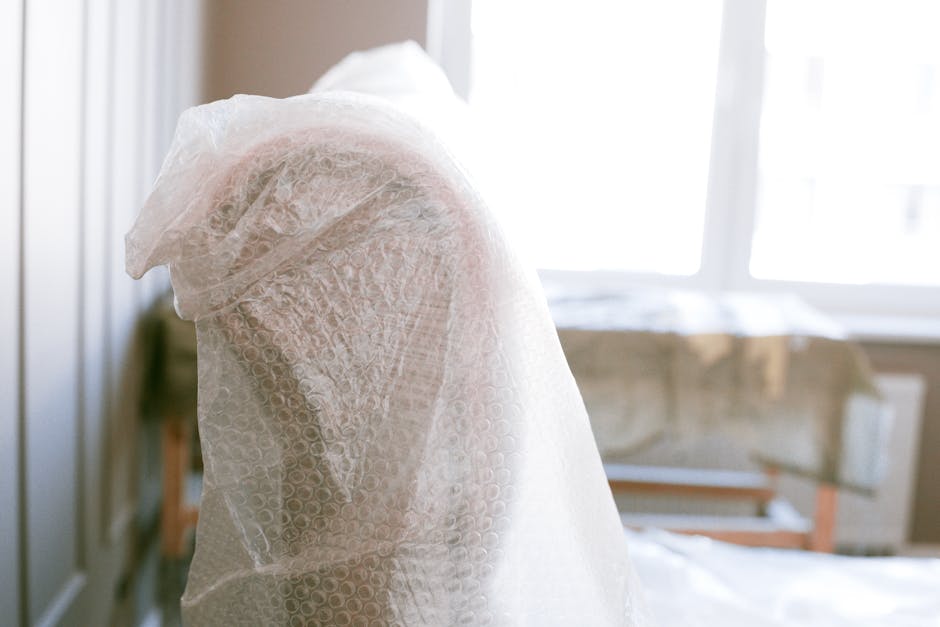
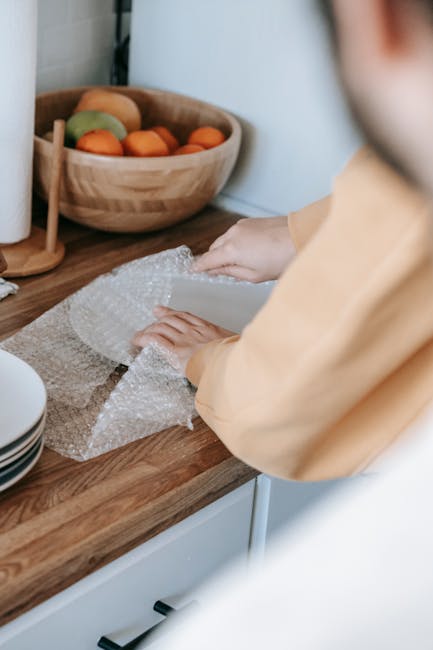
After that, the item is prepared. Drawers are secured, removable shelves are taken out, doors are padded, and delicate surfaces are protected with non-abrasive wrapping. In some cases, a pro will use acid-free paper first, then bubble wrap, then outer blankets or custom crates. The sequence matters. You do not just wrap and hope for the best. You build layers.
Finally, the item is loaded with restraint. Heavier antiques go low and stable in the vehicle. Fragile pieces should not be trapped under bulkier boxes. Movement inside the van is the enemy, so straps, padding and sensible stacking are essential. If you are comparing vehicle options, a purpose-suited moving van or a properly prepared moving truck is usually more suitable than squeezing antiques into a car boot and hoping for a calm day. That never ends well.
Key benefits and practical advantages
Protecting antiques properly is not just about preventing obvious breakage. The real benefit is preserving value, original condition and peace of mind. A well-packed antique is less likely to suffer hairline damage, scuffing, chips, loose joints or moisture-related issues. It also tends to unpack more cleanly, which saves time at the other end.
- Less breakage risk: proper packing reduces impact damage and pressure damage.
- Better value retention: condition matters, especially with collectable or decorative items.
- Safer lifting: antiques can be awkward, and safe handling lowers the chance of drops.
- Faster unpacking: well-labelled and layered items are easier to place correctly.
- Reduced stress: a clear plan keeps the move from feeling chaotic.
There is also a practical family benefit. Antiques often carry history. The dresser in the hallway, the grandfather clock, the china cabinet, the framed print nobody ever replaces because "that was Dad's". If those pieces make the move safely, the house starts to feel familiar much sooner. Small thing, big deal.
For anyone coordinating a wider household move, services such as home moves and house removals can also help bring structure to the day, especially if antique items need to be handled separately from standard boxes and furniture.
Who this is for and when it makes sense
This advice is useful for anyone moving antiques, but it becomes especially important in a few situations. If you own a small number of decorative pieces, you may only need careful wrapping and loading. If you are moving a house full of inherited furniture, artwork, clocks or collector's items, the job becomes much more technical.
It makes sense to lean on professional help when:
- the item is heavy, awkward or top-heavy;
- the antique has fragile glass, mirrors, or inlays;
- the value is high, whether market value or sentimental value;
- the item is already damaged or has old repairs;
- you need stairs, narrow hallways or tight access managed carefully;
- you are moving long distance or storing items temporarily;
- you simply do not have the right packing materials.
That last one is more common than people admit. One roll of tape and a blanket is not a packing plan. It's a wish.
If your move is in a built-up part of London, access can shape everything. A professional team familiar with local streets and loading constraints can save real time. For many readers, that means checking local options like London removals support and, if needed, a nearby man and van style service for smaller specialist loads. For larger or more complex jobs, a broader removal company may be the better fit.
Step-by-step guidance
1. Assess each antique before you pack anything
Start by checking the condition of every item. Look underneath, behind and inside where possible. Note loose joints, chips, lifted veneer, cracked glass, missing knobs and old adhesive repairs. If you can take quick photos, do it. They help with tracking condition before the move and are useful if you need to compare after unpacking.
2. Clean gently, then let the item dry fully
Dust and grit can scratch surfaces during wrapping. Use a soft, dry cloth or a specialist cleaner suitable for the finish. Do not soak old wood or use harsh chemicals. With some antiques, a slightly damp cloth is fine; with others, it is a bad idea. If you are unsure, stop and err on the side of caution.
3. Remove loose or detachable parts
Take out shelves, keys, drawers, glass inserts, ornaments and anything that can shift. Wrap these separately and label them clearly. If something cannot be removed safely, secure it in place with soft padding so it does not rattle around during transit.
4. Choose packing materials based on the item
Use acid-free tissue or paper for delicate finishes, then bubble wrap for cushioning, then a blanket or furniture pad for outer protection. For very valuable items, custom crates or double-boxing may be more appropriate. Avoid rough towels directly on polished wood or painted surfaces, because fibres can mark or rub.
5. Reinforce weak points before wrapping
Legs, handles, finials and protruding edges need support. A corner is often where damage starts, especially if the piece is moved through narrow spaces. Padding should support the shape of the item, not just cover it. That distinction matters a lot.
6. Label every package clearly
Mark boxes and wrapped items with the room, contents and handling note, such as "Fragile", "This side up", or "Do not stack". Keep labels honest and specific. "Fragile" on everything becomes background noise after the first ten boxes.
7. Load the vehicle in the right order
Heavier, stable antiques should go in first, positioned so they cannot slide. More delicate items should be loaded where they are protected from compression. Use straps and filler materials to reduce movement. And yes, leave a bit of space for cushioning. If the van is packed like a tin of sardines, something will suffer.
8. Unpack before the room gets chaotic
On arrival, antiques should come off the vehicle early, not after all the random boxes have been dropped in the hallway. Place each item in a clear, dry space and inspect it before assembly. If something looks off, you want to know immediately, not three days later when the room finally settles.
Expert tips for better results
Experienced movers tend to focus on the small details, because that is where antique damage usually begins. Here are the habits that make a noticeable difference.
- Pack by finish, not just by size. Two items of similar size may need completely different protection if one is lacquered and the other is painted.
- Avoid direct contact between hard surfaces. Glass against wood, metal against porcelain, frame against frame - all risky.
- Use moisture control where needed. If antiques are going into storage or a damp vehicle route is expected, use breathable coverings and ensure items are dry before wrapping.
- Do not over-tape delicate surfaces. Tape residue can be awkward or impossible to remove cleanly from old finishes.
- Keep hardware in labelled bags. A tiny screw lost on moving day can become a major irritation later.
- Make the carry path safe first. Open doors, clear rugs, protect bannisters and check lighting before lifting anything heavy.
One small but useful habit: keep a "first-open" box for screws, keys, wrapping notes and a couple of soft cloths. It sounds fussy, but on the day you will be glad of it. No one enjoys hunting for a clock key in a pile of packing paper at 8:40 p.m.
If you want someone else to do the careful wrapping, packing and unpacking services can be a smart option. They are especially useful when antiques need a slower, more methodical process than standard household items.
Common mistakes to avoid
The same mistakes come up again and again, and they are usually avoidable. The first is using the wrong material. Newsprint can mark, rough blankets can abrade, and loose bubble wrap can do little more than make the item look protected. Another issue is wrapping too tightly. Antique finishes, veneers and joints do not always like pressure.
People also tend to underestimate the load path. An antique can be perfectly packed and still damaged if it is carried with one person taking the weight and another twisting the item sideways through a doorway. The handling has to match the packing.
Other common problems include:
- leaving drawers full during the move;
- not removing glass shelves or mirrors;
- stacking boxes on top of fragile furniture;
- forgetting to protect feet and legs;
- mixing antiques with everyday household clutter;
- ignoring old damage that should be stabilised first;
- loading the vehicle too tightly so nothing can absorb vibration.
One more thing, and it sounds obvious only after the fact: do not let the last person out of the house be the person carrying the most fragile object. Fatigue is when mistakes happen. Moving day at 4 p.m. is not the same as moving day at 9 a.m.
Tools, resources and recommendations
The right tools make antique moving much safer. You do not need a warehouse full of specialist kit, but you do need better-than-basic materials if the items matter to you.
| Tool / material | Best used for | Why it helps |
|---|---|---|
| Acid-free paper | Artwork, decorative surfaces, delicate finishes | Reduces staining and surface marking |
| Bubble wrap | General cushioning for robust fragile items | Absorbs knocks and vibration |
| Furniture blankets | Cabinets, tables, carved furniture | Protects outer surfaces during lifting |
| Corner protectors | Frames, tabletops, cabinet edges | Safeguards weak points from impact |
| Straps and ties | Vehicle loading and item stabilisation | Stops movement in transit |
| Labels and marker pens | Sorting and unpacking | Prevents confusion at the destination |
| Gloves with grip | Lifting smooth or polished pieces | Improves control and reduces slips |
For larger moves, you may also need a properly sized vehicle and a team that understands how to stage the load. That might mean a removals van for smaller collections, or broader removals support when antiques are only one part of a full house move. If you are moving offices with display items, a commercial route such as commercial moves or office relocation services may be relevant too.
Law, compliance, standards and best practice
Antique moving is not usually about formal regulation in the way some specialist trades are. Still, good practice matters, especially around safety, insurance, and customer care. In the UK, removal work should be carried out with sensible manual handling, clear communication and appropriate insurance arrangements. If a company says it handles delicate or high-value items, it should be able to explain how it protects them and what happens if something goes wrong.
That is why it is sensible to check a provider's insurance and safety information before you book. You should also be clear on the service terms, access conditions and any exclusions. For many homeowners, this is a quick read that saves a lot of confusion later.
Best practice also includes plain, fair communication about pricing, timings and responsibilities. If you need a quote, review the provider's pricing and quotes guidance and ask whether specialist packing, fragile-item handling, stair carries or storage are included. Do not assume. Assume nothing, actually.
For any move, it is worth checking general company information too, including the about us page, the terms and conditions, and support pages like contact us. If the business is transparent about process and accountability, that is a reassuring sign.
Options, methods and comparison table
There is more than one way to move antiques safely. The right choice depends on value, fragility, quantity and distance. Here is a simple comparison.
| Method | Best for | Pros | Trade-offs |
|---|---|---|---|
| DIY packing and self-move | Low-value or sturdy antique pieces | Lower upfront spend, full control | Higher risk if you lack materials or experience |
| Partial professional packing | Mixed household moves with a few fragile items | Good balance of cost and protection | You still need to prepare and label properly |
| Full packing service | Collections, high-value antiques, busy households | Most convenient, less handling stress | Usually costs more than DIY |
| Specialist removal for fragile goods | Very delicate or unusually valuable items | High level of care and experience | May require advance planning and a tailored quote |
If you are deciding between a general mover and a more specialised option, ask yourself one question: what is the cost of getting this wrong? If the answer is "much higher than I want to think about", then a more careful service is probably the sensible choice. Not glamorous, but sensible.
For local convenience, you might also compare broader service pages like house movers, removal services, or even man with van options if the antique load is modest and well prepared.
Case study or real-world example
A typical real-world move might look like this. A couple in southwest London were moving from a Victorian terrace to a flat with a narrow stairwell. They had a walnut sideboard, a pair of marble lamps, a wall mirror, and a grandfather clock that had been in the family for decades. Nothing outrageous individually, but together they needed more thought than ordinary boxes.
The items were assessed two days before the move. Loose fittings were removed, the clock was secured with soft padding around the movement, the sideboard drawers were emptied and wrapped separately, and the mirror was packed face-first with layered protection. On the day, the team measured door widths before lifting anything. That sounds basic, but it saved them from a nasty pivot at the bottom of the stairs.
The sideboard was carried by two people with a third guiding the turning points. The marble lamps were loaded low, with space around them so they could not tip. The result was boring in the best possible way: nothing broke, nothing chipped, and unpacking took less than an hour. Sometimes boring is exactly what you want from a move.
That same approach works whether you are moving across the street or across the city. If your route crosses busy areas like Westminster, Kensington, Chelsea, or Putney, good planning around access, parking and carry distance can matter as much as the wrapping itself.
Practical checklist
Use this checklist before moving day. It keeps the whole job calmer.
- Photograph each antique from multiple angles.
- Check for loose parts, old repairs and fragile finishes.
- Clean surfaces gently and let them dry fully.
- Remove keys, shelves, glass inserts and detachable fittings.
- Gather acid-free paper, bubble wrap, blankets, tape and labels.
- Wrap delicate surfaces before outer padding.
- Protect corners, feet, handles and protruding details.
- Label everything clearly by room and handling note.
- Plan the lift route, stair turns and vehicle access in advance.
- Load antiques securely so they cannot shift in transit.
- Unpack and inspect antiques as soon as they arrive.
- Keep screws, keys and small fittings in one clearly marked pouch.
Expert summary: if the item is old, valuable, awkward or emotionally important, treat it as something that deserves time, not just materials. A careful packing routine is better than a rushed "we'll manage" moment. Usually a lot better.
Conclusion
Moving antiques safely is really about three things: preparation, the right materials, and careful handling from door to destination. Once you accept that old pieces need more than standard moving treatment, the rest becomes far more manageable. You inspect, clean, wrap, support, label, load and unload with purpose. No guessing, no stuffing, no last-minute improvising with towels and tape.
If you are dealing with family heirlooms, a small collection, or a single piece that matters more than its market value suggests, it is worth slowing the process down. A good move should leave the antiques looking exactly as they did when they left the room - maybe even a bit better because they are finally properly protected. That's the goal.
If you want help with a full move, specialised packing, or a local service that can handle fragile items with care, take the next step and compare options early. It makes the whole thing easier, and honestly, a lot calmer.
Get a free quote today and see how much you can save.
Frequently Asked Questions
How do you pack antiques for moving without damaging them?
Start by cleaning them gently, removing loose parts, and wrapping delicate surfaces in acid-free paper before using bubble wrap or blankets. Support corners, legs and handles, then label everything clearly. The key is to protect both the surface and the shape of the item.
Should antiques be wrapped in bubble wrap directly?
Usually not directly on delicate finishes. A soft barrier like acid-free tissue or paper is better first, especially for polished wood, painted surfaces or gilding. Bubble wrap is excellent as cushioning, but it should not rub straight against sensitive finishes for long periods.
What is the safest way to move a heavy antique cabinet?
Empty the cabinet, secure or remove loose parts, protect the corners and lift it with two or more people using a clear route. Avoid dragging it. If it is very heavy or top-heavy, professional movers are usually the safer option.
Are antiques covered by moving insurance?
Sometimes, but coverage can vary a lot. You should always check the mover's insurance and safety information, and ask exactly what is covered, what exclusions apply, and whether high-value items need to be declared in advance.
Can I use a regular house mover for antiques?
Yes, if the mover is experienced with fragile items and offers proper packing and handling. For highly valuable or unusually delicate antiques, you may prefer a specialist or at least a team that offers tailored packing support.
How far in advance should I prepare antiques before a move?
Ideally a few days in advance, not the morning of the move. That gives you time to inspect, clean, photograph and pack each item properly. If anything needs minor repair or extra support, you will be glad you started early.
What packing materials are best for antiques?
Acid-free paper, bubble wrap, furniture blankets, corner protectors and strong labels are the main ones. For especially valuable pieces, custom crates or specialist packing can be worth the effort.
Should I disassemble antique furniture before moving it?
Only where it is safe and sensible to do so. Remove drawers, shelves, glass and keys if they come out easily. Do not force old fixings apart, because that can create more damage than it solves.
How do I move antiques in London where access is tight?
Measure doorways, stairs and lifts before moving day, and plan parking and carry routes carefully. In busy areas, local access is often the hardest part of the job. A team used to London moves can make this much smoother.
What should I do if an antique is already damaged before the move?
Document the damage with photos and decide whether the item needs stabilising before transport. Do not ignore loose joints or cracked sections, because movement can make them worse. If in doubt, get professional advice before packing.
Is it worth paying for professional packing services for antiques?
For single sturdy pieces, maybe not. But for fragile, sentimental or high-value items, professional packing can be worth it simply because it reduces risk and stress. You are paying for careful handling as much as materials.
How do I choose the right removal company for antiques?
Look for clear information on insurance, safety, packing options, pricing and communication. A company that explains its process plainly is usually easier to trust. Reading about the team on its about us page and checking the terms and conditions can help too.
Can antiques be moved with other household items?
Yes, but only if they are properly separated, protected and loaded so they cannot be crushed by general boxes or furniture. In practice, the safest approach is to keep them grouped, clearly marked and loaded in a controlled way.
What is the biggest mistake people make with antiques on moving day?
Rushing. That is usually the real problem. People wrap too late, lift too quickly and forget the awkward little details like loose fittings or fragile corners. A calmer pace almost always produces a better result.