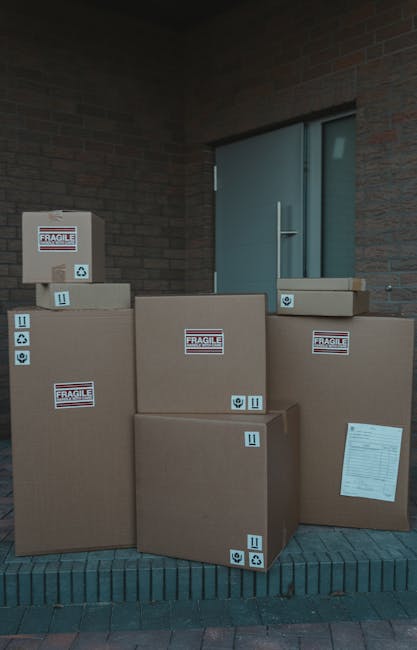
Step by Step Planning for a Small Business Move with Professional Removals
Moving a small business is rarely just about boxes and vans. It is about keeping customers happy, protecting stock and equipment, and making sure Monday morning still feels like Monday morning. That is exactly where step by step planning for a small business move with professional removals makes the difference. Done well, it reduces downtime, keeps staff calmer, and stops the move from turning into one long scramble with labels everywhere and nobody quite sure where the kettle went.
Whether you are relocating a small office, a studio, a clinic, or a compact retail space, the process is easier when you treat it as a project rather than a last-minute rush. In this guide, we will walk through the practical stages, the decisions that matter, the common pitfalls, and the kind of planning that professional removals teams expect to see. You will also find a clear checklist, a comparison table, and a realistic example so you can picture how it all fits together.
Truth be told, most moving stress comes from what was not planned early enough. Let's fix that.
- Why planning matters
- How the move process works
- Benefits of using professionals
- Who this guide is for
- Step-by-step guidance
- Expert tips
- Mistakes to avoid
- Tools and resources
- Compliance and best practice
- Options and comparison
- Real-world example
- Practical checklist
- Conclusion
- Frequently asked questions
Why Step by step planning for a small business move with professional removals Matters
A small business move can feel deceptively simple. You are not moving a warehouse, after all. But small offices and premises often have the same headaches in miniature: sensitive documents, IT equipment, fixed deadlines, customer commitments, and not enough spare hands to deal with everything at once. If you miss one detail, the whole day can wobble.
Planning matters because a move affects more than the physical journey from A to B. It affects cash flow, trading hours, staff productivity, customer service, and the confidence of everyone involved. A delayed broadband handover or a missing box of files can derail an otherwise tidy relocation. Seen that happen more than once. Usually on a rainy Friday, naturally.
Professional removals bring structure to what is often an emotionally loaded task. They help you break the move into manageable parts: surveying the site, estimating space and access, deciding packing responsibilities, booking the right vehicle, and setting a sequence for moving items safely. That structure is what keeps disruption under control.
There is also a risk management angle. Business equipment can be fragile, expensive, and essential. A laptop is one thing; a server, specialist tool, or display unit is another. The better the planning, the easier it is to avoid avoidable damage, insurance problems, or awkward downtime after the keys have changed hands.
Key takeaway: A small business move goes more smoothly when the removals company is brought in early, the timeline is realistic, and everyone knows what happens first, next, and last.
How Step by step planning for a small business move with professional removals Works
At a practical level, the process usually follows a familiar pattern. First, you assess what is moving and what needs special handling. Then you choose a removals partner with the right vehicle size, packing support, and experience for your type of premises. After that comes scheduling, packing, labelling, access planning, and the actual move day.
The important bit is sequencing. You do not want to be packing archiving boxes the night before while still waiting on a floor plan from the new office. Likewise, if the removals team needs lift access, parking arrangements, or building entry slots, those details should be confirmed in advance. A good plan removes friction before the first box is even lifted.
For many small businesses, the move is a short chain of linked tasks:
- Audit what you own and what can be sold, recycled, donated, or discarded.
- Choose the moving date and work backwards from there.
- Book professional removals and confirm what they will and will not handle.
- Prepare packing materials, labels, and a room-by-room or department-by-department plan.
- Notify staff, suppliers, and customers where needed.
- Arrange IT shutdown, utility transfers, and access at the new site.
- Move, unpack, test essentials, and settle the business back in.
That sounds straightforward on paper. In reality, each step can carry little surprises. A desk may not fit through a doorway. A filing cabinet may contain far more than anyone remembered. The printer, of course, decides to become a mystery object right when you need it most. A professional removals team helps you avoid these friction points because they are used to looking at the move as a logistics problem, not just a lifting job.
Key Benefits and Practical Advantages
The biggest benefit is time. A professional team can move items efficiently, and that efficiency matters when trading hours are on the line. But time is only the beginning. Here are the benefits small business owners tend to notice first.
- Less downtime: The move is planned around business continuity, so you can reopen sooner.
- Reduced strain on staff: Your team does not spend the whole week lifting, carrying, and improvising.
- Better protection for equipment: Fragile items are packed and loaded with proper handling in mind.
- Improved organisation: Labelling and sequencing make unpacking far easier.
- Clearer accountability: You know who is responsible for packing, transport, and setup.
- Fewer last-minute surprises: Access, parking, and loading plans are worked out before moving day.
There is another advantage that is easy to overlook: morale. A move can be unsettling for staff, especially if desks, stock, or working routines are changing. When the process is calm and well managed, people settle faster. That matters. A business that feels organised during a move often feels more confident afterward too.
For customer-facing businesses, the commercial value is even clearer. If you need to keep a reception desk, consultation room, or fulfilment process running, an orderly move protects service levels. That can make the difference between a smooth relaunch and a week of apologising.
Who This Is For and When It Makes Sense
This approach is ideal for small businesses that cannot afford a messy interruption. That includes start-ups moving out of a serviced office, local firms relocating to a bigger unit, professional practices shifting to a new address, and shops or studios that need to close for as little time as possible.
It also makes sense if your move involves any of the following:
- specialist equipment or IT
- files, records, or sensitive data
- tight building access or parking constraints
- shared premises, managed office space, or landlord requirements
- stock, display units, or customer-facing fittings
- multiple staff members who need a structured handover
If your business is very small, you may wonder whether a professional removals company is overkill. Sometimes a simple man and van arrangement is enough. Other times, not really. If the move involves multiple loads, awkward furniture, or a need to keep work going with minimal disruption, having proper removals support is usually money well spent. It is one of those decisions that looks expensive before the move and sensible afterward.
This guide is especially useful if you are the person everyone keeps asking for answers. You know the role: part organiser, part firefighter, part person who somehow has the tape dispenser. You need a practical plan, not vague reassurance.
Step-by-Step Guidance
1. Define what is moving and what is not
Start with a simple inventory. List furniture, IT, stock, paperwork, fixtures, kitchen items, and anything that needs specialist handling. Then identify what will not be moved. Old filing cabinets, broken monitors, surplus chairs, and dead stock can all be removed from the equation now. That instantly makes the move lighter, cheaper, and less chaotic.
As part of this review, consider whether some items are better handled through a separate service such as furniture pick-up if they are being cleared rather than relocated. Clearing out clutter before moving day is one of the simplest wins you can get.
2. Set a realistic move date and work backwards
Choose your moving date with care. If you can avoid your busiest trading period, do it. Then work backwards and put each milestone into the calendar: quoting, packing, staff briefing, utility changes, IT shutdown, and keys transfer. A backwards plan is a very ordinary trick, but it works.
Give yourself more time than you think you need. Small business moves nearly always reveal one extra task hidden behind a cupboard, a filing drawer, or a calendar nobody updated.
3. Book professional removals early
Good removals firms get busy, especially around month-end, school holidays, and summer moving periods. Booking early gives you better date options and allows time for a survey. A survey helps the team judge access, load size, and whether packing support or extra vehicles may be needed.
If your move is primarily office-based, a provider experienced in office relocation services will usually understand the flow of desks, tech, and documents better than a general lift-and-shift approach. For larger commercial setups, commercial moves support may be a better fit than a small domestic-style booking.
4. Plan access, parking, and building rules
Access issues can derail an otherwise smooth move. Check loading bay times, lift reservations, building rules, parking permits, concierge requirements, and any restrictions on moving hours. In London, this can be the bit that trips people up. A five-minute walk from the van to the entrance can become a slow, sweaty chain of trips if the route is not thought through.
At both addresses, note staircases, narrow corridors, security doors, and floor levels. It helps the removals crew plan the right vehicle and the right equipment before they arrive.
5. Decide what staff will pack and what professionals will pack
Not everything needs the same level of handling. Many small businesses pack personal desk items and everyday stationery themselves, while professional packers handle fragile, bulky, or business-critical items. If you want to reduce pressure on your team, packing and unpacking services can save hours and reduce breakages.
Separate items into three groups:
- Self-pack: papers, desk accessories, non-fragile personal items
- Professional pack: monitors, glass items, specialist tools, delicate stock
- Do not pack casually: batteries, confidential materials, hazardous substances, and anything your removals provider says needs special treatment
6. Label everything clearly
This sounds obvious, and yet it is where many moves get messy. Use labels that show the destination room, department, priority, and any handling note such as "fragile" or "IT first." If a box is needed on day one, make that unmistakable. Do not rely on memory. On moving day, nobody remembers which box contained the charging cables. Nobody.
A colour-coded system works well. For example:
- blue for office admin
- green for sales or client files
- red for urgent IT and network items
- yellow for break-room and essentials
7. Protect IT and data properly
IT planning deserves its own attention. Make sure data is backed up, devices are signed out, login details are stored securely, and any servers, routers, or specialist hardware are handled in the right order. If you are not sure what can be unplugged and what needs an IT shutdown plan, bring in your technical support early.
For many businesses, the biggest delay after the move is not the furniture. It is the internet. If work depends on systems being live quickly, that should be scheduled as carefully as the removals van itself.
8. Build a first-day essentials box
Pack a clearly marked essentials box for each site or department. Include:
- keys and access cards
- phone chargers and extension leads
- basic stationery
- tea, coffee, cups, and kettle items
- cleaning wipes
- printer paper and ink if needed
- snacks and bottled water
Small detail, huge difference. If your team can make tea and find chargers, the new place feels like a workplace much faster.
9. Move in a sensible sequence
On the day, priority should go to essentials: IT, core workstations, documents, and anything needed to resume trading. Heavy furniture can be placed after the critical items are secure. This is where professional removals show their value because they help sequence the load rather than dumping everything into the nearest available space.
If you need a lighter transport option for smaller loads or a phased move, services like man and van or man and van removals may suit smaller business moves, especially when access is tight or the move is split over more than one trip.
10. Unpack in business order, not box order
It is tempting to open the nearest box and hope for the best. Better to unpack by function. Set up reception first if clients will arrive. Then IT, then workstations, then storage, then communal areas. That sequence helps your business restart in a controlled way rather than a half-finished one.
And yes, there will always be one mystery drawer that turns up three days later. That is basically a moving tradition.
Expert Tips for Better Results
In our experience, the best moves are the ones where somebody owns the process from start to finish. Not in a controlling way. Just with enough authority to keep decisions moving. A move without one clear lead tends to drift.
Here are a few practical tips that make a real difference:
- Do a pre-move walk-through: Check both properties for access, lift size, loading restrictions, and anything awkward in person.
- Photograph cable setups before disconnecting: This saves time when reconnecting phones, monitors, and peripherals.
- Keep one box per person for immediate essentials: It reduces the "where is my stuff?" noise on day one.
- Use a simple move board or spreadsheet: Track tasks, owners, and deadlines in one place.
- Stage items near the exit the day before: But only if it is safe and permitted. Do not create a tripping hazard.
- Tell customers early if service times may shift: A short notice beats apologising after the fact.
One thing people often forget: have a plan for waste. Boxes, damaged furniture, broken packaging, and unwanted stock can pile up quickly. If sustainability matters to your business, ask how the removals provider handles recycling and disposal, and whether anything can be reused or diverted responsibly. It is not glamorous, but it matters.
If you want to compare vehicle or support options, a removal company can often advise whether a larger vehicle, a smaller removal van, or a van-and-helper setup is the best fit for the size of your move.
Common Mistakes to Avoid
Most move problems come from the same handful of mistakes. The good news? They are avoidable if you spot them early.
- Leaving booking too late: You lose flexibility and may end up with a poor-fit service.
- Underestimating packing time: Even a modest office can take longer than expected.
- Not measuring furniture and access: A sofa or cabinet that cannot turn a corner is a moving-day headache nobody needs.
- Forgetting utilities and internet: Great new office, no working systems. Not ideal.
- Packing confidential files carelessly: Keep sensitive documents secure and controlled.
- Not briefing staff: People need to know what to pack, when to stop work, and where to go.
- Trying to save money by removing too much help: Sometimes that costs more in time, damage, or lost trading.
Another common issue is mixing business and personal items. If staff bring in their own equipment, plants, or desk accessories, set out what is and is not the business's responsibility. It saves awkward conversations later. To be fair, this sounds dull, but it prevents a lot of confusion.
Tools, Resources and Recommendations
You do not need a fancy project management system to move a small business well. Simple tools often work best. What matters is consistency.
| Tool or resource | What it helps with | Best use |
|---|---|---|
| Shared spreadsheet | Task ownership, deadlines, inventory | Keeping the whole move visible |
| Box labels and marker pens | Room, department, and priority marking | Making unpacking faster |
| Inventory list | Asset tracking and loss prevention | Protecting equipment and files |
| Floor plans | Placement and layout decisions | Reducing confusion on arrival |
| Contact list | Suppliers, staff, IT, and landlord details | Quick coordination on move day |
| Essentials boxes | Immediate first-day needs | Restarting work without rummaging |
If you want a broader service package, some businesses prefer to combine removals with support such as removals for the transport itself and removals near me when comparing local availability. For businesses with larger equipment or multiple delivery runs, moving truck support may be a better fit than a smaller vehicle.
One more practical recommendation: ask how the team handles insurance and safety, especially for higher-value equipment or awkward premises. That conversation is not exciting, but it is useful. Actually very useful.
Law, Compliance, Standards, or Best Practice
For a small business move in the UK, the legal and compliance picture is usually straightforward, but it should not be ignored. You may need to think about lease obligations, access permissions, health and safety duties, data protection for files and devices, and any building-specific rules imposed by landlords or managing agents.
Common best-practice points include:
- Health and safety: Safe lifting, clear walkways, and sensible packing reduce the risk of injury.
- Data protection: Secure confidential records and devices containing personal data.
- Fire and access procedures: Follow building rules at both ends of the move.
- Insurance checks: Confirm what is covered during packing, loading, transit, and unloading.
- Waste handling: Dispose of unwanted items responsibly and in line with site requirements.
Professional removals providers often have internal policies around safety, security, and handling standards. It is worth asking about these before you book. If they can explain their approach clearly, that usually tells you a lot. If they cannot, that is a sign to keep looking.
For businesses operating in busy parts of the capital, local access planning can matter as much as the move itself. A delivery slot in central or west London is not the same as a quiet suburban street, and a bit of local awareness goes a long way.
Options, Methods, or Comparison Table
Not every move needs the same level of service. Here is a simple comparison to help you judge what fits your business.
| Option | Best for | Strengths | Limitations |
|---|---|---|---|
| Self-managed move | Very small teams with minimal equipment | Lowest direct spend, full control | High time cost, more strain, more risk |
| Man and van | Small loads, short distance, flexible timing | Practical and often quick to arrange | Less suitable for complex office setups |
| Professional removals team | Business moves needing structure and care | Better planning, safer handling, less disruption | Usually more expensive than doing it yourself |
| Full packing and removals service | Busy teams, fragile items, time-sensitive moves | Lower workload on staff, better organisation | Needs earlier booking and clearer coordination |
If you are trying to choose between options, ask one simple question: what would cost more if it went wrong - the extra booking fee, or the time and disruption of doing it the hard way? That answer usually makes the decision clearer.
Case Study or Real-World Example
Here is a realistic example. A small design studio in south London needed to move from a shared office into a larger private space. The team had eight desks, monitors, archive boxes, sample boards, and a few fragile lighting pieces. Their biggest concern was downtime because client deadlines were already tight.
They started planning three weeks ahead. First, they listed everything that needed to move and set aside obsolete furniture for removal. Then they booked a removals provider that offered packing support and a vehicle sized for one main load and a smaller follow-up run. They also prepared a floor plan for the new office, assigned one person to manage the move on the day, and packed essential cables and chargers into clearly labelled boxes.
On moving day, the removals team handled loading, secured the fragile items separately, and placed priority boxes in the order needed for the new workspace. By late afternoon, the studio had basic workstations live, the kettle was plugged in, and the team could get back to client work. It was not glamorous. Just efficient. And honestly, that is what a good small business move should be.
What made the difference was not luck. It was a steady sequence, simple labelling, and early decisions about what to keep, what to clear, and what needed special handling.
Practical Checklist
Use this checklist as a final pre-move review. If you can tick most of these off, you are in good shape.
- Inventory completed and unwanted items identified
- Move date confirmed and calendar shared
- Professional removals booked
- Access, parking, and building rules checked
- Packing plan agreed with staff and removals team
- IT backup completed and shutdown plan arranged
- Labels printed and boxes grouped by destination
- Confidential files secured
- Utilities and internet transfer planned
- First-day essentials boxes packed
- Staff briefing completed
- Customer or supplier notices sent if needed
- Old premises cleared of waste and final items
- New premises ready for delivery and setup
If you are a visual person, print this list and stick it on the wall. Old-school, yes. Effective too.
Conclusion
Step by step planning for a small business move with professional removals is really about control. Not controlling every tiny detail, because that is impossible. But controlling the sequence, the responsibilities, and the risks so the move serves the business instead of disrupting it.
When you plan early, choose the right removals support, and keep the process practical, the move becomes much less stressful. Your staff know what to do. Your equipment is protected. Your customers see a business that still has its act together, even while the desks are on wheels. That matters more than people admit.
If you are at the point of comparing services or setting your move in motion, a clear quote and a sensible plan are the best place to start.
Get a free quote today and see how much you can save.
And if you take nothing else from this guide, take this: a calm move is usually a planned move. That little bit of order really does travel with you.
Frequently Asked Questions
How far in advance should I plan a small business move?
As early as you reasonably can. For a modest move, a few weeks may be enough if the logistics are simple, but more complex office or commercial moves benefit from earlier planning. Booking removals early gives you more control over dates and packing support.
What should a small business move checklist include?
A good checklist should cover inventory, packing, labels, IT backup, access arrangements, staff duties, utilities, and the first-day essentials box. It should also include a final walk-through at both premises so nothing important is left behind.
Is a professional removals company worth it for a small business?
Often yes, especially if your business relies on equipment, documents, or a quick return to trading. Professional removals reduce disruption, improve handling, and make the move far less chaotic for staff.
What is the difference between man and van and full removals?
A man and van service is usually best for smaller loads and simpler moves. Full removals are better when you need more structure, larger vehicle capacity, packing help, or careful handling of office furniture and equipment.
How do I minimise downtime during a business move?
Plan the sequence carefully, pack in stages, label everything clearly, and move essential items first. If possible, avoid moving during your busiest trading period and make sure your IT and internet plans are in place early.
Should staff pack their own desks?
In many cases, yes, for personal items and ordinary stationery. But fragile items, shared equipment, and anything business-critical are usually better handled by professionals or by a clear central packing plan.
How do I handle confidential documents during a move?
Keep them secure, limit who can access them, and pack them separately from general office items. If you handle sensitive client data, it is sensible to apply the same care during the move that you would in daily operations.
What if my new premises have difficult access?
Tell the removals company early. Narrow staircases, restricted parking, lift rules, and security procedures can all affect the move plan. A proper survey or access check helps avoid problems on the day.
Can professional removals help with packing and unpacking?
Yes, many providers offer packing and unpacking support. That can be especially useful if your team is busy or if you want to reduce the risk of damage and speed up the move.
What should I do with unwanted furniture or stock?
Decide early whether items will be reused, donated, recycled, or removed. Clearing unwanted items before move day saves space and often reduces the overall effort needed. If the items are only being cleared, a furniture pick-up service can be useful.
How do I know which removals option is right for my business?
Start by looking at volume, access, urgency, and how much support you need. A small local move may suit a light vehicle, while a larger or more complex business relocation usually needs a professional removals team with better planning and handling capability.
What is the biggest mistake small businesses make when moving?
Leaving too much until the last minute. That one habit causes most of the stress: rushed packing, poor labelling, missed access details, and unnecessary downtime. A simple plan made early tends to prevent most of the mess.