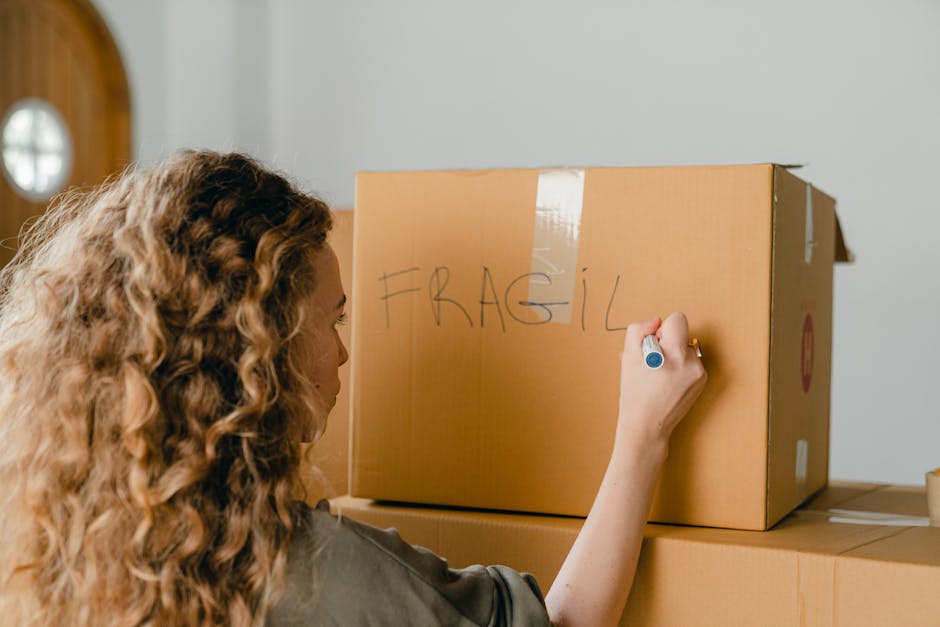
Top DIY moving mistakes that cost UK households time and cash
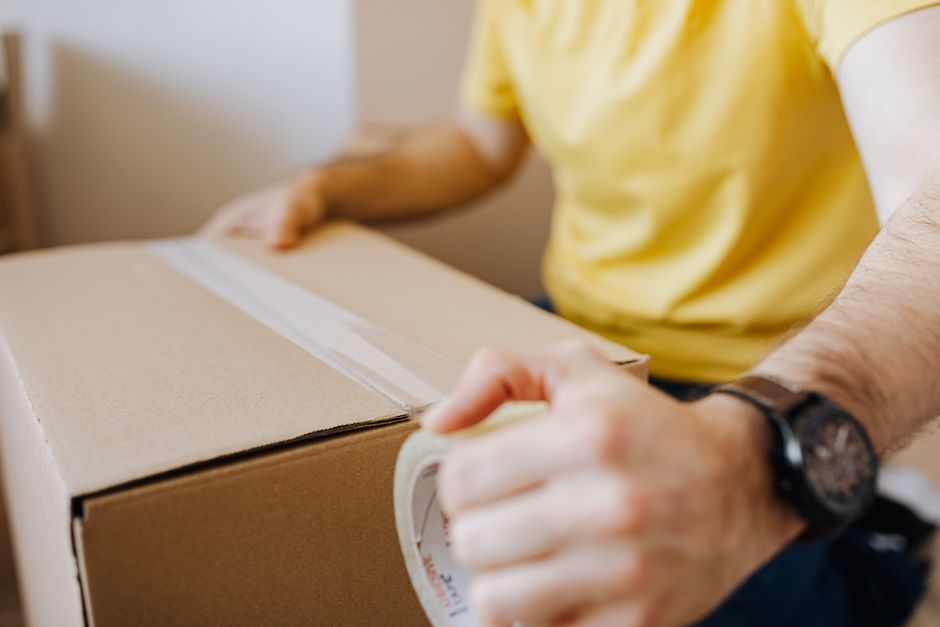
DIY moving can look like the sensible option right up until the van is half packed, the keys are due back at 2pm, and someone is standing in the hall with a lampshade in one hand and a growing sense of regret. The truth is, the biggest DIY moving mistakes that cost UK households time and cash are usually small decisions made too late: underestimating how much fits in a room, buying the wrong boxes, leaving the heavy lifting to the last minute, or forgetting how awkward British streets and parking can be on moving day.
This guide breaks down the most expensive DIY moving errors, why they happen, and how to avoid them without turning your move into a three-day saga. If you are planning a house move, flat move, or even a short hop across town, this is the practical stuff that saves money, time, and a fair bit of stress.
Why Top DIY moving mistakes that cost UK households time and cash Matters
Moving house is rarely just about boxes. It is about timing, access, lifting, sorting, cleaning, transport, and the dozen little jobs that pile up when everyone is tired. In the UK, many DIY moves go wrong because the plan is built around the home itself, not the logistics around it. That is where money leaks away.
A missed parking bay can lead to extra walking, extra trips, and extra time. Weak boxes can collapse and damage belongings. A badly packed van can waste one whole journey. Forgetting to measure stairs, lifts, or doorways can mean reloading in the rain. And once a move drags on, the hidden costs start to stack up: fuel, food, borrowed equipment, extra van hire, time off work, and even temporary storage. Not glamorous, but very real.
What people often call a "cheap move" can become an expensive one if the day is not organised properly. So the aim here is not to frighten you off DIY moving. It is to help you move like someone who has done it before, even if you have not. Because let's face it, moving day is not the moment you want to learn by trial and error.
Expert summary: Most DIY moving costs are not caused by the van itself. They come from poor planning, underpacking, bad timing, and avoidable damage. Fix those four things and the whole move gets noticeably easier.
How Top DIY moving mistakes that cost UK households time and cash Works
A DIY move works best when each stage supports the next. If one step is weak, the whole chain slows down. The usual chain looks like this: sort belongings, pack by room, protect fragile items, organise transport, load safely, move in a sensible order, and unpack essentials first. Simple on paper. Messy in real life.
The biggest mistakes happen when people treat moving as one single task rather than a sequence. For example, if you pack randomly, you cannot unload efficiently. If you hire a van without checking dimensions, you may not fit your larger items and need a second trip. If you leave packing until the evening before, you start making rushed decisions about what to keep, bin, donate, or shove into any available bag. That is where waste appears.
There is also a cash-flow angle. DIY moving often looks cheaper because there is no single large invoice. But the cost sits in little pieces: tape, boxes, wrapping, fuel, parking, food, mattress covers, stair carries, and replacement items damaged in transit. Add in a few hours of lost time and the calculation changes quite quickly.
In practical terms, the move works smoothly only if you know three things in advance: how much you own, what the access is like at both properties, and what your transport can realistically carry. Miss one, and the day begins to wobble. Miss two, and it can go sideways fast.
Key Benefits and Practical Advantages
When DIY moving is planned properly, it can still be a very sensible option. The point is not to chase perfection. It is to reduce waste and keep control.
- Lower direct spend: You avoid paying for services you do not need, provided you have the time and ability to do the work.
- Better control over packing: You decide exactly how fragile items, documents, and essentials are handled.
- Flexible timing: You can pack over several days rather than relying on one booked slot.
- Less clutter at the new place: Because you are handling every box, you tend to sort and declutter more honestly.
- Useful for smaller moves: One-bed flats, student moves, and short-distance relocations can often suit a DIY approach well.
Still, the advantage only shows up when the move is organised. If the process becomes chaotic, the savings shrink. That is the part many households miss. A move can be DIY and still smart; it does not have to be rushed, improvisational, or, frankly, a bit of a circus.
Who This Is For and When It Makes Sense
This approach suits people who are willing to do some planning and physical work themselves. It is often a good fit if you are moving locally, have a manageable amount of furniture, or can spread the packing over several days. Students, couples in smaller homes, and households with minimal bulky items may find DIY moving practical.
It can also make sense if you already have access to a suitable vehicle, supportive friends or family, and enough time to pack carefully. If your move is straightforward, there is no shame in doing it yourself. To be fair, a lot of people do exactly that and have no issues at all.
It becomes trickier when the move involves lots of stairs, a long distance, parking restrictions, awkward furniture, tight time windows, or children and pets underfoot. In those cases, the cost of DIY can rise quickly because delays are more likely. A couple moving from a basement flat in one of London's busier neighbourhoods, for example, may find that the "cheap" option gets expensive once lifting and parking are taken into account.
If you are unsure, ask yourself a blunt question: do you want to save money, or do you want to save time and physical effort too? Those are not always the same thing.
Step-by-Step Guidance
1. Start with a proper inventory
List what is actually moving. Not just the obvious furniture, but lamps, mirrors, kitchen items, plants, under-bed storage, and all the odd bits that turn up in cupboards. A clear inventory stops you from underestimating the load. It also makes it easier to work out what can be sold, donated, recycled, or left behind.
2. Measure the awkward items first
Measure sofas, beds, wardrobes, and anything bulky. Then measure the doorways, stairs, lift, and hallway bends at both properties if possible. This sounds tedious. It is tedious. But it saves serious frustration when a wardrobe looks fine in the van and then refuses to make the turn into the bedroom.
3. Book transport that genuinely fits the load
Choosing a van based on guesswork is one of the quickest ways to burn time and money. A van that is too small means multiple trips. A van that is too large may be harder to park and drive in tight streets. The goal is not "bigger is better"; it is "big enough without being silly".
For larger home moves, many households compare a DIY approach with a professional house removals service or a smaller man and van option, especially when access is difficult or the schedule is tight.
4. Pack by room, not by mood
Random packing is a tax on your future self. Put one room in one set of boxes, label them clearly, and keep a rough note of what is inside. You do not need a perfect system. You just need enough structure that you are not opening six boxes to find the kettle.
5. Protect fragile and high-value items properly
Wrap glass, screens, artwork, and sentimental pieces with more care than you think necessary. People often overpack light items and under-protect fragile ones. The result is a box full of broken crockery and one very upset mover staring at a mug handle.
6. Build an essentials box
This is one of the easiest ways to save time on moving day. Put in tea, kettle, mugs, snacks, chargers, toiletries, basic tools, medication, a roll of toilet paper, and a change of clothes. Keep it with you rather than buried under the rest of the load. You will thank yourself at 9pm.
7. Load in the right order
Heaviest items first, then stable boxes, then lighter and delicate items on top. Try to keep weight balanced. Secure everything so nothing shifts during braking or cornering. Even a short trip across town can create a mess if the load is loose.
8. Leave time for unloading and placement
Do not assume unloading takes half the time of loading. It usually takes longer because you are tired, deciding where everything belongs, and trying not to block the hallway. Build a buffer into your plan. It is boring advice. It works.
Expert Tips for Better Results
In our experience, the best DIY moves are the boring ones. The days that look almost too organised. No drama. No last-minute panic. Just a steady sequence.
- Start packing non-essentials first: Books, spare linens, seasonal items, and decor can be boxed early.
- Use strong boxes only once: Reused supermarket boxes can be fine for light items, but test them carefully. If the base bows, bin it.
- Label the top and at least one side: When boxes are stacked, the side label saves time.
- Keep screws and fittings in sealed bags: Tape them to the matching furniture, or gather them in one clearly marked pouch.
- Reserve a parking spot if needed: Where local rules require it, check access in advance rather than hoping for the best.
- Ask for help early: Friends will usually say yes if you give them notice. Asking at 8pm the night before is another matter.
A small but useful tip: take photos of cable setups before unplugging anything. It saves that weird, slightly embarrassing half-hour later when the Wi-Fi router and TV are both back in place but nobody knows which lead went where.
If you are moving in or around London, access can be the real headache. Narrow streets, loading restrictions, and basement flats often turn a simple move into a small logistical puzzle. A local removal company or experienced house removalists team can sometimes be the cheaper option once you factor in your own time and the risk of mistakes.
Common Mistakes to Avoid
This is the section that saves the most money, honestly. Most DIY moving mistakes are predictable. That is good news because predictable mistakes are fixable.
1. Underestimating the volume of your stuff
People nearly always have more than they think. Cupboards, lofts, sheds, and under-bed storage quietly inflate the move. If you do not count those areas, your van plan is already off.
2. Leaving packing until the final night
Rushed packing leads to damage, lost items, and fatigue. It also makes the move feel much bigger than it is. One late night can easily create a day of extra work. Or two.
3. Buying the cheapest materials available
Low-quality tape, weak boxes, and flimsy wrapping can be false economy. It might save a few pounds at the start, then cost more when a box gives way on the stairs. Annoying, and avoidable.
4. Forgetting access problems
Think stairs, lifts, long corridors, narrow kerbs, shared driveways, and parking rules. Access is often where DIY moves slow down. A van may be parked legally but still be miles from the front door in practical terms.
5. Not protecting floors and walls
Scratches, dents, and dirty marks are common during a move. Old towels, floor protectors, and door covers can reduce the risk. A few minutes of preparation beats a conversation about damage later.
6. Taking too much on in one day
Some households try to move, clean, dismantle furniture, and sort utilities all at once. That is a lot. Be realistic. If the move is complex, split the jobs across more than one day where possible.
7. Ignoring the cost of fuel, food, and extras
It is easy to focus on van hire and forget the rest. But diesel, snacks, extra tape, and last-minute purchases add up. DIY moving only stays cheap when you count everything.
8. Failing to check insurance and responsibility
If you are using borrowed vehicles or informal help, make sure you understand what is covered and what is not. A damaged sofa or dropped TV can become an expensive argument very quickly.
Tools, Resources and Recommendations
You do not need a garage full of specialist gear, but the right basics make a huge difference.
| Item | Why it helps | Best use |
|---|---|---|
| Strong double-wall boxes | Reduce collapse and protect contents | Books, dishes, mixed household items |
| Packing tape and dispenser | Speeds up sealing and reinforces bases | All boxes, especially heavy ones |
| Bubble wrap or paper | Cushions fragile items | Glassware, frames, small electronics |
| Furniture blankets | Prevents scratches and scuffs | Tables, wardrobes, drawers, appliances |
| Ratchet straps or rope | Keeps loads secure in transit | Vans and larger transport |
| Marker pens and labels | Makes unloading faster | Every box and bag |
| Basic toolkit | Helps with dismantling and reassembly | Beds, shelves, flat-pack furniture |
| Trolley or sack truck | Reduces lifting strain | Heavy boxes and appliances |
For households looking for more support, services such as packing and unpacking services can be useful even if you still want to do some of the move yourself. And if you just need a vehicle for a lighter relocation, a removal van or moving van may suit you better than a full removals package.
It is also worth checking practical policies on safety, insurance, and payments if you are comparing options. Those pages may not be exciting reading, but they are the kind of details that save headaches later.
Law, Compliance, Standards, or Best Practice
DIY moving in the UK is not usually a heavily regulated activity for the household doing the move, but there are still practical rules and expectations worth respecting. If you hire a vehicle, drive one, or use paid help, you should be clear about roadworthiness, loading limits, and your responsibility for the goods being moved. If you are arranging parking, local restrictions may apply, especially in busy urban areas.
Best practice also matters when you are moving furniture through shared spaces. Keep communal hallways clear, avoid blocking fire exits, and move carefully to reduce the chance of damage. In flats and managed buildings, owners or managing agents may have specific move-in or move-out rules. Those can include lift bookings, time windows, or floor protection.
On the safety side, lifting correctly is not just about comfort. Heavy or awkward items can cause strains and slips if rushed. Use team lifts for bulky pieces, take breaks, and do not be heroic about it. Nobody wins a prize for carrying a fridge down three flights solo.
If you are moving a business setup as well as household items, the expectations get stricter. Office moves and commercial relocations can involve different access planning, equipment handling, and timing. In those cases, it may be sensible to look at a more specialised office relocation service rather than trying to apply domestic moving habits to a more demanding job.
That said, the broad principle is simple: plan carefully, move safely, and do not assume that "DIY" means "no standards". Good practice is still good practice.
Options, Methods, or Comparison Table
Different moving methods suit different households. The right choice depends on your budget, time, physical ability, and how complicated the move is.
| Option | Best for | Pros | Cons |
|---|---|---|---|
| Pure DIY with borrowed vehicle | Very small, simple moves | Low direct cost, full control | Higher risk of delays, damage, and stress |
| DIY with hired van | Local home moves with manageable load | Flexible and often affordable | Requires loading skill, planning, and driving confidence |
| DIY with partial help | Moderate moves with tricky items | Shares lifting and reduces time pressure | Still depends on your organisation |
| Full removals service | Large, long-distance, or access-challenging moves | Less physical strain, faster execution | Higher upfront cost |
If you want a middle ground, a man with van removal setup can be a practical compromise for many UK households. It is especially useful when you want help with loading and transport but do not need a full-team move. A removals or movers service may make more sense for larger homes, tight schedules, or difficult access.
Case Study or Real-World Example
Here is a typical scenario. A couple moving from a two-bedroom flat in west London decided to do everything themselves. They had boxes, a rented van, and a friend with a strong back and questionable enthusiasm. The packing went fine at first. Then the problems started.
They had not measured the sofa properly. It fit in the van, but unloading at the new place became slow because the hallway turned sharply near the front door. A standard parking space also turned out to be too far from the building entrance, so every item had to be carried a decent distance. By late afternoon, the move was still going. One box had split, a lamp had been chipped, and they had already bought extra tape, an extra trolley hire slot, and hot food because nobody had time to cook. A "cheap" move was no longer especially cheap.
What would have helped? A smaller pre-move inventory, better access checks, and a clearer decision about whether the bulky furniture really needed to come with them. Not a glamorous lesson, but a useful one. The move itself was not a disaster. It just became unnecessarily expensive because a few preventable details were skipped.
That sort of thing happens all the time. Not because people are careless, but because moving is mentally noisy. You are dealing with the old place, the new place, the keys, the cleaners, the internet setup, the utility switch, and the emotional oddness of leaving a home behind. Easy to miss a step, that.
Practical Checklist
Use this before moving day. It is simple, but it covers the mistakes that cost most households time and cash.
- Inventory every room, cupboard, loft, shed, and storage area
- Measure large furniture and key access points
- Book the right vehicle size for the actual load
- Gather strong boxes, tape, wrap, labels, and blankets
- Pack by room and label boxes clearly
- Prepare an essentials box for the first 24 hours
- Dismantle furniture early where possible
- Check parking, loading access, and time restrictions
- Protect floors, walls, and door frames
- Arrange help for heavy or awkward items
- Confirm insurance cover and responsibility for damage
- Allow extra time for traffic, stairs, and unloading
- Keep refreshments and water close by
- Do a final sweep of cupboards, loft spaces, and under beds
Quick reality check: if this list feels long, that is because moving really is long. The trick is to spread the load, not pretend it is smaller than it is.
Conclusion
The most common DIY moving mistakes are not dramatic. They are ordinary, human, and expensive in little increments. A weak box here, a rushed packing decision there, a van that is slightly too small, a parking issue you did not quite think through. By the end of the day, those small slips can cost UK households far more time and cash than expected.
The good news is that you do not need a perfect move to have a good one. You just need a sensible plan, the right materials, and a bit of respect for how much work is actually involved. If you think ahead, measure properly, and avoid the usual traps, DIY moving can still be a practical and cost-conscious choice.
And once the last box is in place, the kettle is finally on, and the place starts to feel like home again, the effort tends to make sense. Not all at once. But enough.
Get a free quote today and see how much you can save.
Frequently Asked Questions
What are the biggest DIY moving mistakes UK households make?
The biggest mistakes are underestimating how much needs moving, choosing the wrong van size, packing too late, and forgetting about access issues such as stairs, lifts, and parking. Those four alone can create extra cost and serious delays.
Is DIY moving really cheaper than hiring removals?
It can be, but only if the move is simple and well planned. Once you factor in van hire, fuel, packing materials, parking, food, damage risk, and your own time, the savings may be smaller than expected.
How far in advance should I start packing?
For a normal household move, start with non-essentials as early as you can and leave everyday items for last. Even two to three weeks of gradual packing can make the day much smoother than trying to do everything in one go.
What should I put in an essentials box?
Include things you will need straight away: kettle, mugs, tea or coffee, chargers, toiletries, toilet paper, snacks, medication, a change of clothes, basic tools, and any important documents you want close to hand.
How do I stop boxes from breaking during a move?
Use good-quality boxes, do not overfill them, reinforce the bases with strong tape, and avoid putting too much weight into a single box. Heavy items like books should go into smaller boxes rather than oversized ones.
What is the most overlooked cost in a DIY house move?
Time is the big one. People often focus on visible costs like van hire and tape, but missed work time, extra trips, food, fuel, and last-minute purchases can quietly push the total up.
Do I need help for a DIY move?
For anything beyond a very small move, yes, help is usually sensible. Even one or two extra people can make loading faster and safer. If the move includes heavy furniture or stairs, team lifting is much better than trying to do it all yourself.
How do I know what size van I need?
Start with a full inventory of furniture and boxes, then think about how they will be loaded. If you have larger items or a full home, it is often wiser to choose a slightly larger vehicle rather than risking multiple trips.
Are there legal issues with moving my own stuff in the UK?
Usually the main issues are practical rather than legal, but you still need to respect parking rules, road safety, building access policies, and any requirements from landlords or managing agents. If you hire transport, check what is covered and what is not.
Is it worth using a man and van for part of the move?
Yes, often it is. If you want help with the heaviest items or need transport but do not need a full removals team, a smaller service can be a good middle ground. It can save time without fully giving up control.
What should I do first on moving day?
Start by moving your essentials box, checking the route is clear, and loading the largest stable items first. Keep an eye on timing, especially if you have a key handover or parking restriction to work around.
How can I make a DIY move less stressful?
Break the job into stages, pack early, label clearly, protect fragile items, and keep the day's schedule realistic. Honestly, the calmer the prep, the calmer the move. It really does show.